Eating well does not have to mean weighing every ingredient or tracking every calorie. A balanced meal can be built around a few flexible food groups, your appetite and foods you genuinely enjoy. This guide offers a simple starting point for everyday lunches and dinners, not a rigid set of rules.
Start with a variety of vegetables
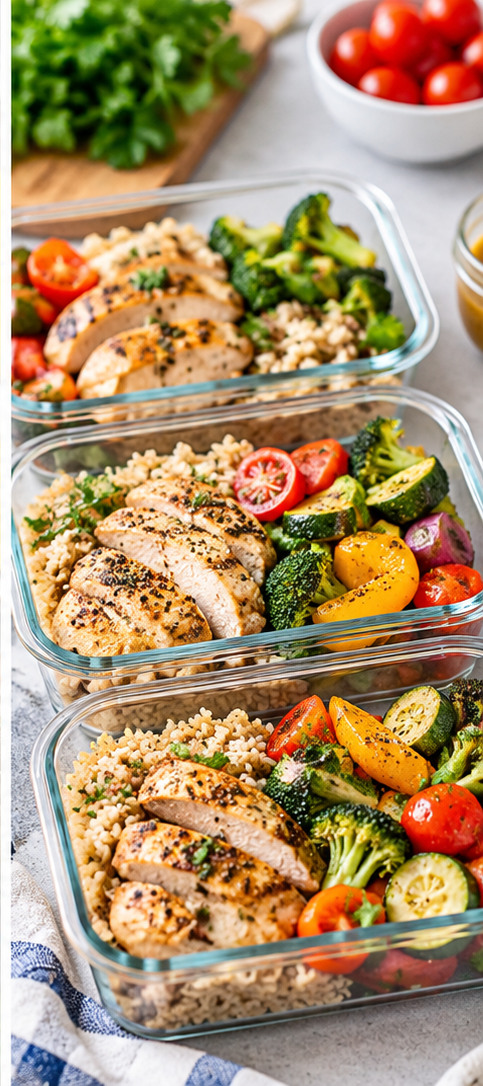
Vegetables bring color, texture and a range of nutrients to your plate. Try roasted peppers, broccoli, leafy greens, tomatoes or a side salad. Frozen and canned vegetables can be convenient options, too; choose varieties with less added salt when practical.
Add a source of protein
Protein foods can include chicken, fish, eggs, beans, lentils, tofu and yogurt. The best choice depends on your preferences, budget and dietary needs. Mix plant and animal sources if that works for you. For inspiration, browse our healthy recipes.
Include carbohydrates that work for you
Rice, potatoes, bread, pasta and grains can all be part of balanced meals. Whole-grain options often provide more fiber, while familiar foods such as white rice can still fit into a varied eating pattern. Portion sizes do not need to be identical at every meal; activity, hunger and personal needs differ.
Use fats for flavor and satisfaction
Olive oil, nuts, seeds and avocado can add flavor and texture. A little dressing or sauce can make vegetables more enjoyable. You do not need to eliminate fat to prepare a nutritious meal.
Three easy meal combinations
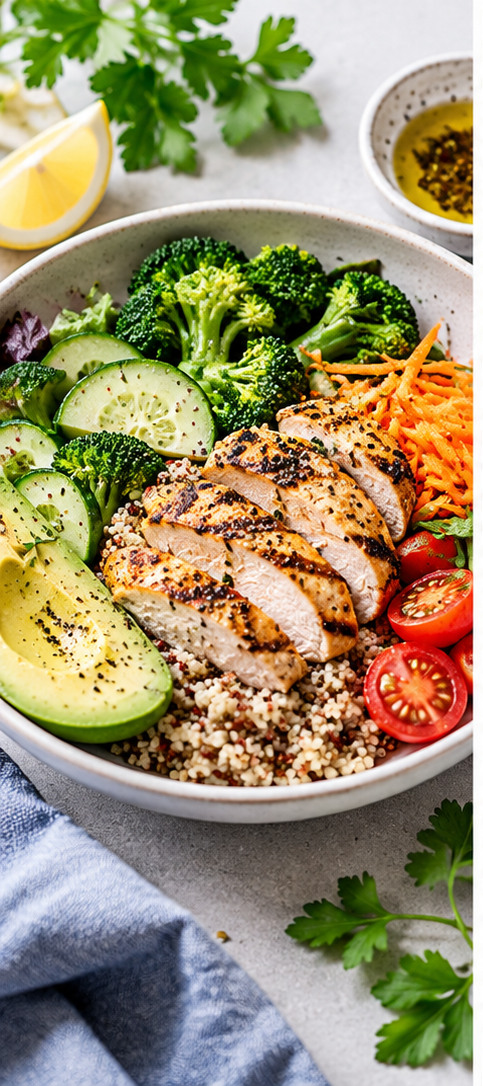
- Quick lunch: chicken or chickpeas, a generous salad, whole-grain bread and an olive-oil dressing.
- Comforting dinner: baked potatoes, steamed broccoli and a protein of your choice, with yogurt-based sauce.
- Meat-free option: lentils, brown rice, roasted vegetables and a spoonful of tahini dressing.
Make balanced meals realistic
Keep a few useful staples at home: frozen vegetables, canned beans, eggs, rice and seasonings. When time is short, assemble rather than cook everything from scratch. Leftovers can become a wrap, bowl or salad the next day.
A balanced meal is a flexible pattern, not a test you pass or fail. Eating habits matter over time, and individual needs vary. If you have a medical condition or require a specialized eating plan, seek guidance from a qualified healthcare professional.